

Montana de Oro State Park Guide: Hikes, Tide Pools & Local Tips

Why Visit Montana de Oro State Park
Montana de Oro State Park is one of my favorite places on California’s Central Coast, with miles of coastal trails, dramatic cliffs, secluded beaches, tide pools, and some of the best ocean views near Los Osos and Morro Bay. I’ve spent years hiking and photographing the park, and now that I live nearby, it’s one of the places I return to again and again.
Whether you’re coming for a short walk along the Bluff Trail, exploring the tide pools, hiking to a panoramic viewpoint, or spending a full day in the park, there’s a lot to see without needing an elaborate itinerary. This guide brings together my favorite hikes, practical planning tips, photography spots, wildlife, camping information, and the best ways to experience Montana de Oro State Park.
Quick Guide to Montana de Oro State Park
| Need to Know | Details |
|---|---|
| Location | Los Osos, California |
| Park Hours | 6 a.m.–10 p.m. |
| Entrance & Parking | Free — no entrance or day-use parking fee |
| Best For | Hiking, coastal views, tide pools, photography, wildlife and beach walks |
| Main Access | Pecho Valley Road from Los Osos |
| Best First Stop | Spooner’s Cove and the Spooner Ranch House area |
| Camping | Islay Creek Campground |
| Dogs | Allowed on leash only in the campground, roadways and Spooner’s Cove Beach; not allowed on trails |
Best Things to Do in Montana de Oro
Montana de Oro is the kind of park where you can spend an hour walking along the bluffs or an entire day hiking, exploring the shoreline, and photographing the coast. These are the experiences I recommend starting with, especially on a first visit.
1. Hike the Trails
Hiking is one of the best ways to experience Montana de Oro. The park has everything from easy coastal walks to steeper climbs with expansive views over the Pacific, Morro Bay, and the surrounding hills.

The Bluff Trail is my favorite choice for an easy first visit, while trails such as Valencia Peak offer a more challenging climb and panoramic views. If you want to explore beyond the most popular trails, there are plenty of quieter routes deeper in the park.
Read next: Local’s Guide to Top 10 Montana de Oro Hikes
2. Walk the Bluff Trail
If you only have time for one walk, make it the Bluff Trail. The mostly level trail follows the coastline above dramatic cliffs, coves, rock formations, and beaches, with viewpoints appearing throughout the route.

It is also one of my favorite places in the park for photography because the scenery changes constantly as you move along the coast.
Read next: Montana de Oro Bluff Trail Guide
3. Explore the Tide Pools
At low tide, Montana de Oro’s rocky shoreline reveals tide pools filled with small marine life. Timing matters here, so I always recommend checking the tide chart before planning your visit.

The tide pools are especially fun to combine with a walk along the Bluff Trail or a stop at Spooner’s Cove.
Read next: Montana de Oro Tide Pools: Where to Go & What to Know
4. Visit Spooner’s Cove
Spooner’s Cove is one of the easiest places to experience the park without a long hike. The beach sits below the historic Spooner Ranch House and is a good stop for a picnic, a walk along the shoreline, or simply taking in the coastal scenery.
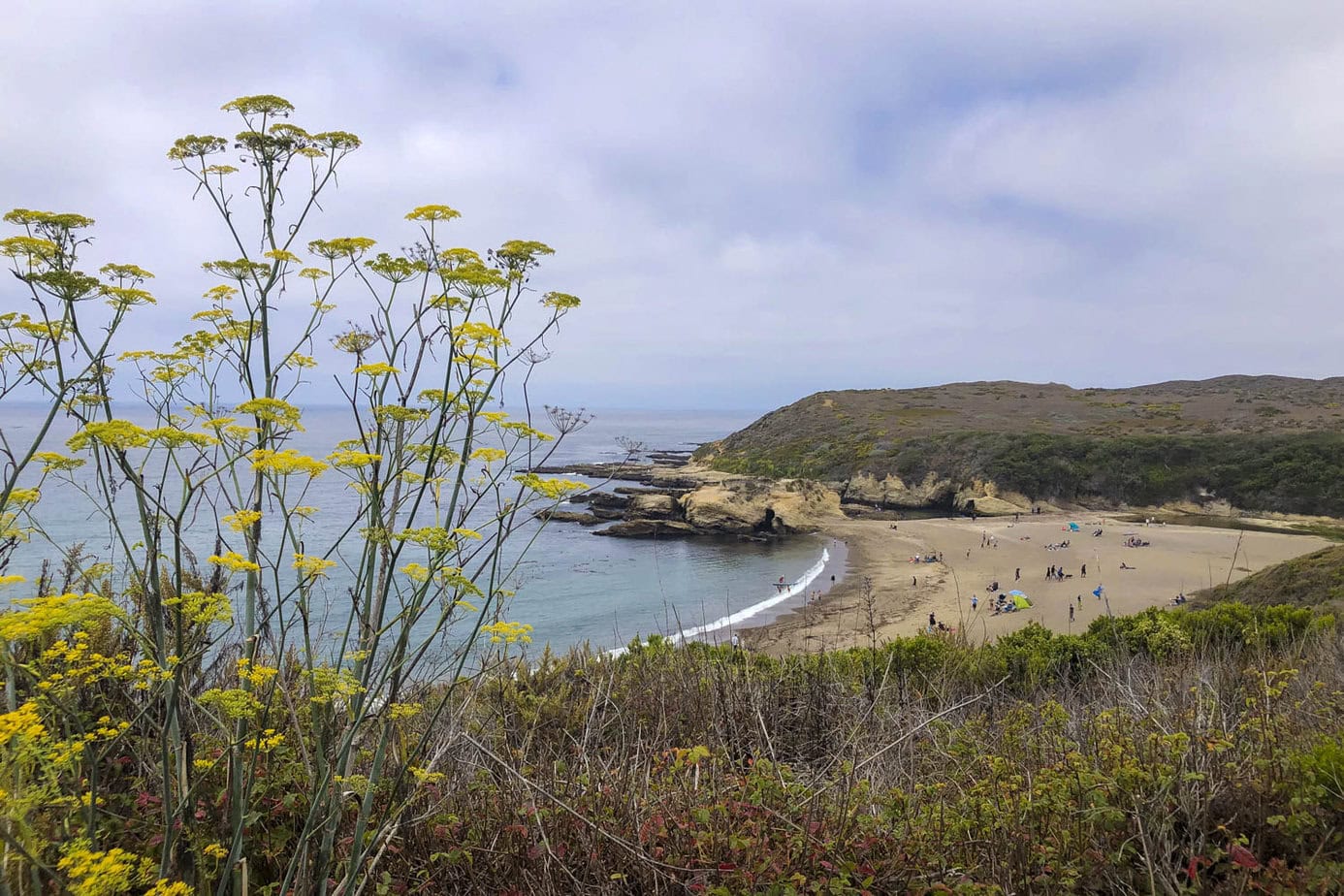
It is also one of the more accessible beach areas in the park, with nearby parking and an accessible route toward the beach. This is also a great place to watch the sunset.
5. Watch the Surfers
Montana de Oro is also a popular place for surfing, and I often see surfers heading into the water around the park. The ocean here is cold, so wetsuits are the norm. Even if you’re not surfing yourself, it can be fun to watch from shore.

6. Take a Family-Friendly Coastal Walk
For families or anyone looking for an easier outing, the Bluff Trail is one of the best choices in the park. It is generally flat, wide, and accessible, with coastal overlooks and places to stop along the way. You can make the walk as short or as long as you like.
7. Go Mountain Biking
Montana de Oro has a surprisingly large network of trails open to bikes, making it one of the better places on the Central Coast for mountain biking as well as hiking. The official park map distinguishes hike-and-bike and multi-use trails, so riders should check the current trail map before heading out.
8. Look for Wildlife
Montana de Oro is one of my favorite places on the Central Coast for wildlife watching. You’re very likely to see some kind of wildlife, especially if you spend time along the Bluff Trail or explore the quieter areas of the park.
Birdlife is especially abundant. I regularly see California brown pelicans, black oystercatchers, western gulls, and red-tailed hawks along the coast. Black-tailed deer roam freely through the brush, hills, and even around the campground, and I’ve also been lucky enough to spot bobcats in the park.

Offshore, keep an eye out for sea otters, dolphins, and migrating whales depending on the season. Bring binoculars if you have them, and take your time at the overlooks—some of my best wildlife sightings have happened simply by slowing down and watching.
9. Photograph the Coast
Montana de Oro is also one of my favorite places on the Central Coast for landscape photography. The combination of sea cliffs, coves, rock formations, tide pools, wildflowers, and changing coastal light gives you plenty to work with throughout the year.

For a first visit, I recommend scouting along the Bluff Trail and around Spooner’s Cove. Sunset can be beautiful, but fog and overcast conditions can work just as well here because they emphasize the textures and shapes of the coastline.
Best Hikes in Montana de Oro
- Easy: Bluff Trail — Best for an easy coastal walk, families, photography, and first-time visitors. The trail is relatively flat and follows the bluffs with frequent ocean views.
- Moderate: Valencia Peak — Best for a more challenging hike and expansive views over the park, Morro Bay, and the surrounding coastline.
- Longer/less crowded: Point Buchon — Best for a longer, quieter coastal hike with dramatic scenery and fewer people than the Bluff Trail.
Montana de Oro Tide Pools
Low tide reveals a completely different side of Montana de Oro. Rocky areas around Hazard Canyon Reef, Spooner’s Cove, and Quarry Cove are some of the best places to look for sea stars, anemones, crabs, limpets, urchins, and other intertidal life.
I always recommend checking the tide chart before you go, ideally planning around a low or negative tide. Wear shoes with good grip, move slowly on the rocks, and keep an eye on the ocean—waves can be unpredictable even when conditions look calm.
Camping at Montana de Oro
Camping inside the park is at Islay Creek Campground, a small, primitive campground tucked behind the Spooner Ranch House. It has 47 campsites for tents and RVs, with a maximum RV length of 27 feet. Each site has a picnic table and fire ring, with water spigots and toilets nearby.

This is dry camping—there are no hookups, showers, dump station, or RV water-fill station—which is part of what keeps the campground feeling quiet and rustic. Reservations are made through ReserveCalifornia and generally open on a rolling six-month window.
When to Visit Montana de Oro
Montana de Oro is worth visiting year-round, but the experience changes quite a bit with the seasons.
- Spring: One of my favorite times to visit, especially when wildflowers cover the hills and trails. Temperatures are usually comfortable for hiking.
- Summer: Expect cooler coastal weather and frequent morning fog. It can be a great escape when inland California is hot.
- Fall: Often brings some of the clearest days and beautiful coastal light, making it especially good for hiking and photography.
- Winter: Cooler and sometimes rainy, but the coast can be dramatic after storms. Trails may be muddy, so check conditions before heading out.
For tide pooling, the tide matters more than the season—plan your visit around a low or negative tide.
Getting to Montana de Oro + Parking
Montana de Oro State Park is reached from Los Osos via Los Osos Valley Road, which becomes Pecho Valley Road as you approach the park. The main day-use area is near Spooner Ranch House and Spooner’s Cove, and there are additional parking turnouts and trailhead lots farther into the park.
Day-use parking is free, with no entrance or parking fee. Pecho Valley Road continues through the park to the Coon Creek parking area, where the road ends and you return the same way you came in.
What to Do Near Montana de Oro State Park
Montana de Oro is easy to combine with several other Central Coast stops, especially if you are staying in Los Osos or Morro Bay.

- Morro Bay: Explore the Embarcadero, see Morro Rock, go kayaking, look for sea otters, or stop for lunch after your hike.
- Morro Bay State Park: A good nearby option for more hiking, birding, and views over the estuary.
- Los Osos: Spend some time around the bay, grab coffee, or explore nearby coastal trails.
- Central Coast road trip: Montana de Oro also fits naturally into a longer trip through Cayucos, Cambria, San Simeon, and Big Sur.
- Explore more places around California in my California Travel Guide.
Explore more California state parks and national parks in my Parks guide.
Frequently Asked Questions About Montana de Oro
Is Montana de Oro State Park free?
Yes. There is no entrance fee or day-use parking fee at Montana de Oro State Park.
How much time do you need at Montana de Oro?
For a first visit, allow 2–4 hours to explore Spooner’s Cove and walk part of the Bluff Trail. If you plan to hike, explore tide pools, or photograph the coast, you could easily spend a full day here.
What is the best hike in Montana de Oro?
For most first-time visitors, I recommend the Bluff Trail because it is relatively easy and offers beautiful coastal views throughout the walk. For a more challenging hike, Valencia Peak is one of my favorites.
Are dogs allowed at Montana de Oro?
Dogs are allowed on leash in designated areas including Spooner’s Cove, roadways, and the campground, but they are not permitted on the park’s hiking trails.
Where are the best tide pools in Montana de Oro?
Some of the best tide-pooling areas are around Hazard Canyon Reef, Quarry Cove, and the rocky shoreline near Spooner’s Cove. Check the tide schedule before visiting; low or negative tides provide the best access.
Can you camp at Montana de Oro?
Yes. Islay Creek Campground is located inside the park and offers primitive camping for tents and RVs. Reservations are highly recommended.