

California Central Coast Travel Guide: Best Towns & Stops
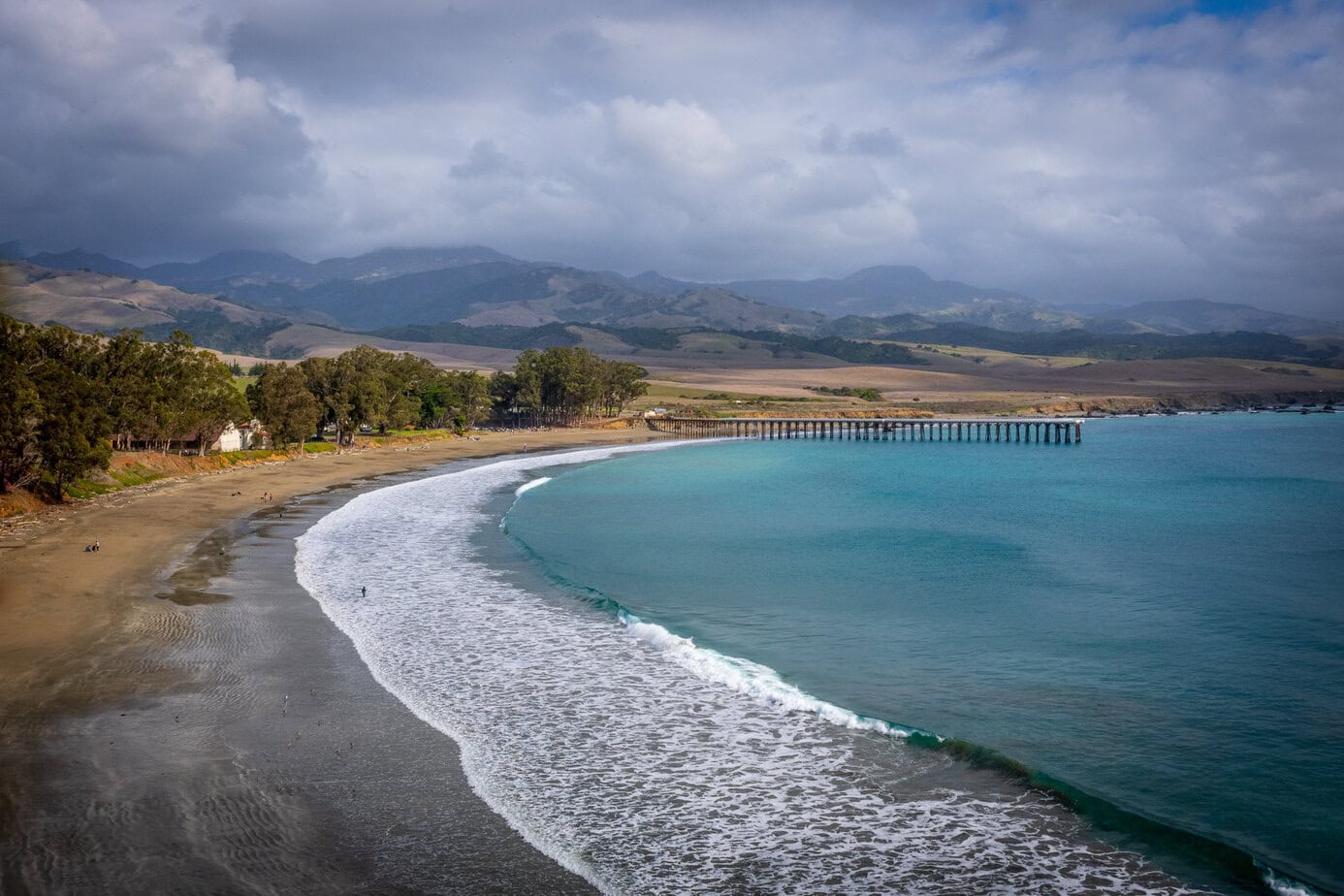
Where to Go on California’s Central Coast
There’s something timeless about the California Central Coast. It’s where golden hills roll toward the sea, fog hugs the cliffs at dawn, and small towns still invite you to slow down. From Pismo Beach’s classic pier and wide sandy shoreline to Morro Bay’s harbor life, Cayucos’ laid-back beach-town feel, Cambria’s storybook streets, and the dramatic coastline stretching through San Simeon toward Big Sur, this part of Highway 1 captures what I love about Central Coast travel: salt air, wildlife, open space, and places that still feel distinctly their own.
I’ve spent years exploring this stretch of coast, from sunrise walks along Pismo Pier to tide pool mornings at Montana de Oro, kayaking in Morro Bay, wandering the streets of Cayucos, and winter evenings under the lights of the Cambria Christmas Market. Each place has its own rhythm, but together they make one of my favorite regions in California to explore by road, trail, and camera.
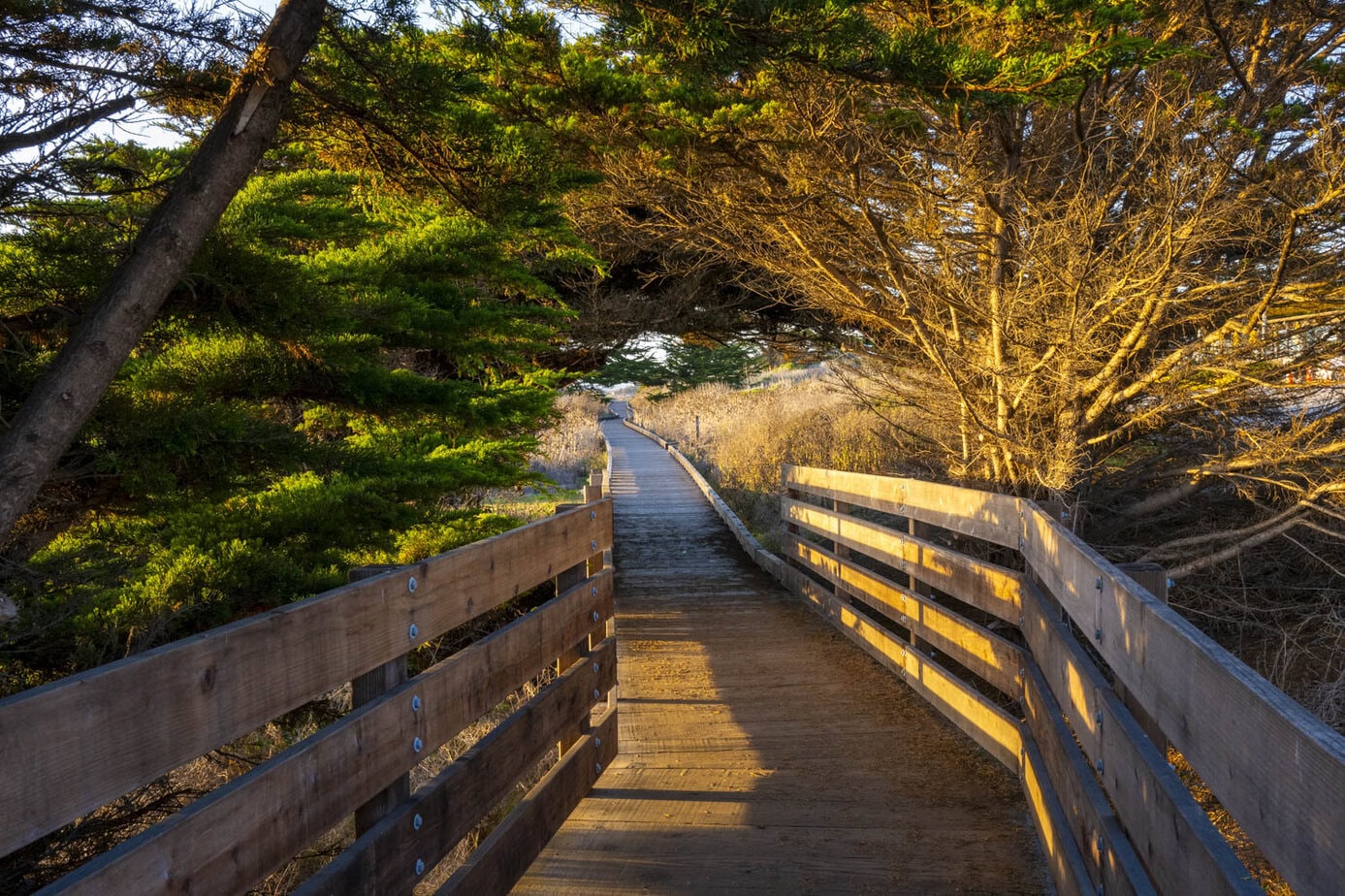
Use this guide to decide where to stop along the Central Coast, what each destination is best for, and how to connect them into a weekend or longer Highway 1 trip. Each section points you to my more detailed firsthand guides for planning hikes, beaches, restaurants, wildlife experiences, and other local adventures.
Pismo Beach: Where My Central Coast Story Began
Pismo Beach was my introduction to California’s Central Coast. I started coming here years ago, often spending New Year’s along the coast, and it was one of the first places that made me realize how much I loved this part of California.
Just south of the Central Coast’s quieter stretches, Pismo Beach combines a classic pier, wide sandy beach, surf culture, and a lively downtown. It’s one of the busier stops along this route, but it’s also an easy place to spend a day walking the beach, watching surfers, catching sunset, and exploring nearby Shell Beach and Avila Beach.

The pier is the natural center of town and one of Pismo’s best viewpoints. The current pier is about 1,200 feet long, and the structure has been rebuilt and shortened over the years after repeated storm damage.
Nearby, you can also explore the dunes, coastal overlooks, and seasonal events that make this part of southern San Luis Obispo County worth more than a quick stop.
For a deeper look at what to see and do, start with my full guide to things to do in Pismo Beach.
Los Osos & Montana de Oro: The Place I Kept Coming Back To
For years, I camped at Montana de Oro State Park and spent time exploring Los Osos whenever I came to the Central Coast. What started as a place I returned to for hiking, quiet beaches, and weekends outdoors eventually became home when I moved to Los Osos.
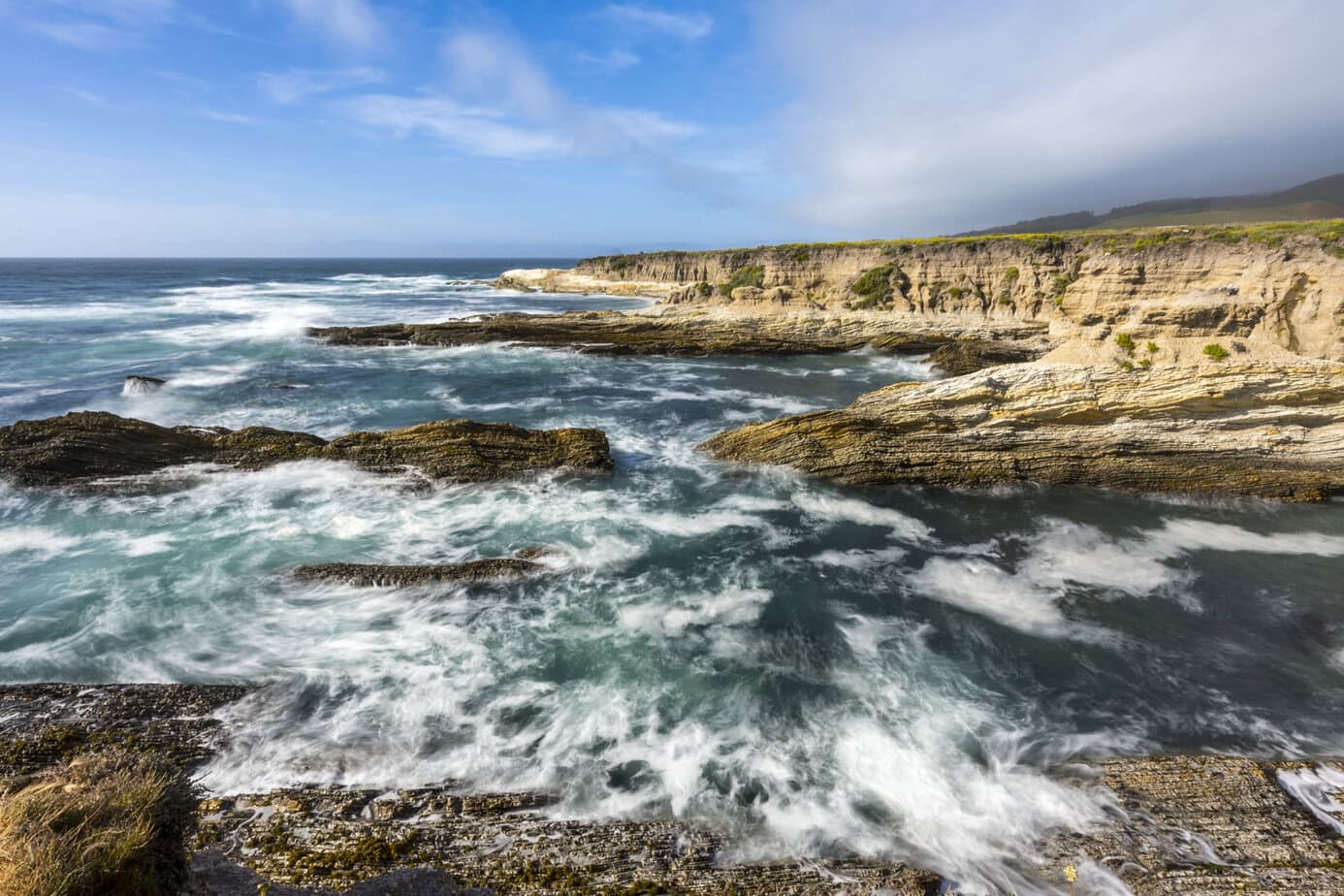
Montana de Oro is still one of the places I visit most often. The park has rugged coastal cliffs, tide pools, miles of hiking and mountain biking trails, Spooner’s Cove, and some of my favorite places for wildlife watching and photography. Los Osos itself has a much quieter feel than the better-known coastal towns nearby, making it a good base for exploring both the park and Morro Bay.
If you’re visiting for the first time, start with my Montana de Oro State Park guide for the best hikes, tide pools, coastal walks, camping, and practical tips.
Morro Bay: Harbor Life, Wildlife & Morro Rock
Morro Bay is one of the places that made me fall in love with California’s Central Coast. From fishing boats rocking in the harbor to sea otters floating among the kelp, it blends nature and small-town charm in the best possible way. Morro Rock anchors the entire landscape, while the estuary, marina, and surrounding trails make it easy to spend the day outside.
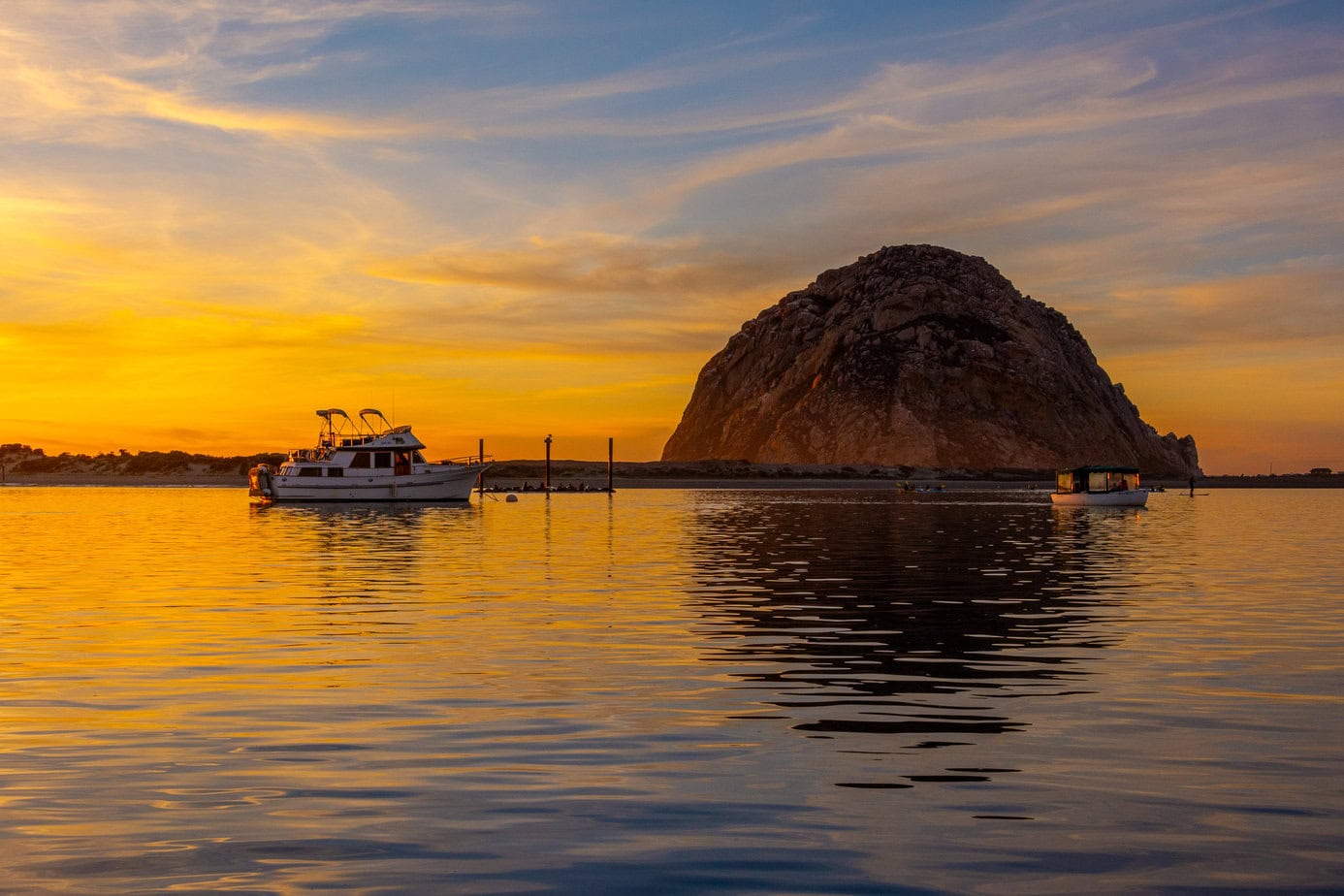
I’ve returned here for years for kayaking, hiking, wildlife watching, photography, and slow walks along the waterfront. It’s also one of the easiest places on this route to linger for a few days because there’s so much packed into a relatively small area.
For the full picture, start with my Morro Bay Travel Guide for things to do, hiking, restaurants, kayaking, camping, and more.
Cayucos: Small-Town Beach Charm
Cayucos has a slower, more old-school beach-town feel than some of the larger Central Coast stops. I love it for the long beach, the historic pier, casual restaurants, and the easy pace of a town that still feels very connected to the ocean.
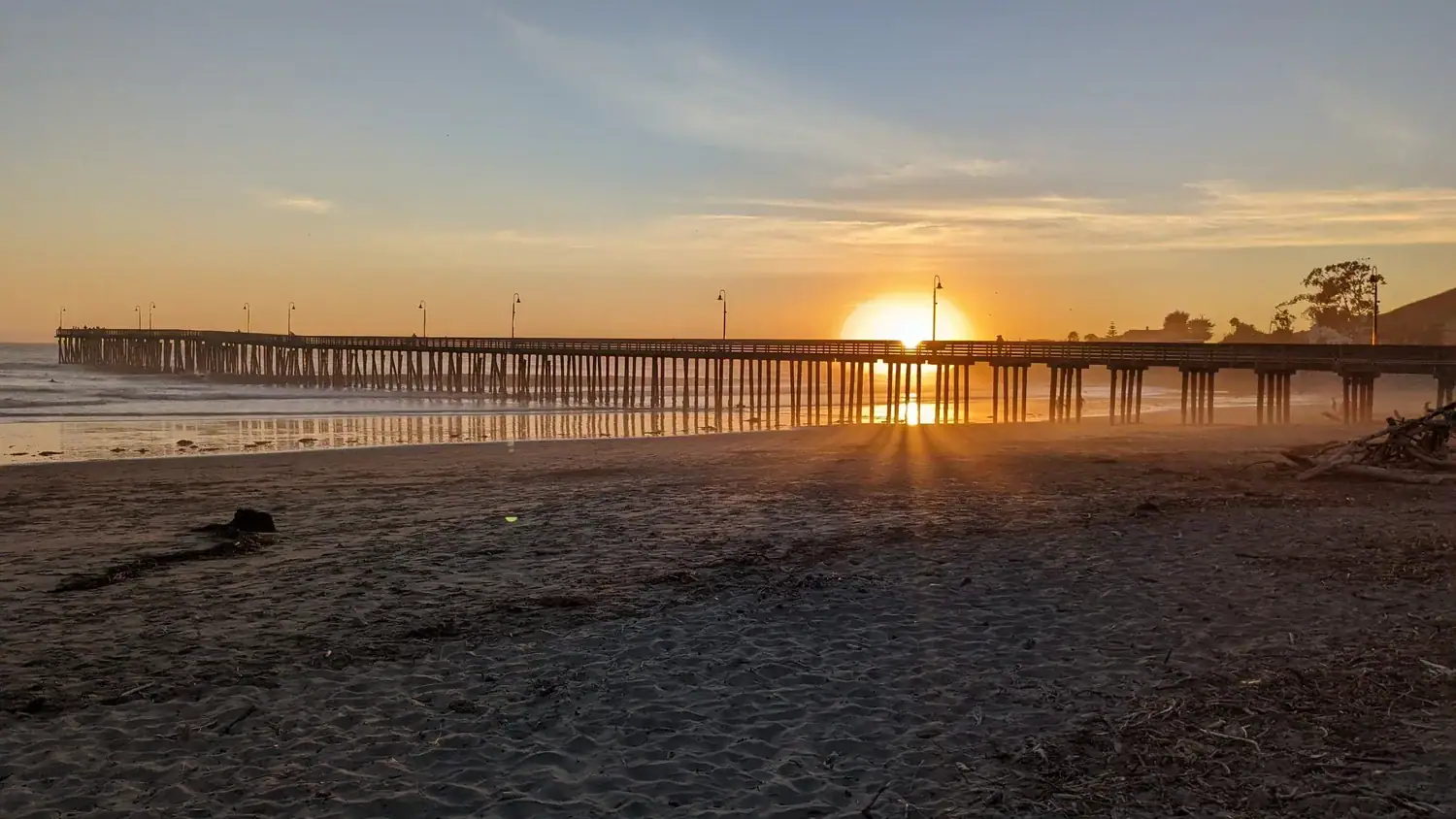
It’s the kind of place where you can walk the pier, grab something to eat, wander along Ocean Avenue, and spend the rest of the afternoon on the beach without needing much of a plan. Cayucos also makes a natural stop between Morro Bay and Cambria, especially if you’re driving Highway 1 north.
For more ideas on what to see, where to eat, and how to spend your time, start with my Things to Do in Cayucos guide.
Cambria: Art, Pines & Moonstone Beach
About twenty minutes north of Cayucos, the mood shifts. The fog tends to linger a little longer, the pines grow taller, and the coastline feels more tucked away. Cambria has always felt different to me—part beach town, part arts village, with Moonstone Beach on one side and forested trails, galleries, and small local shops on the other.
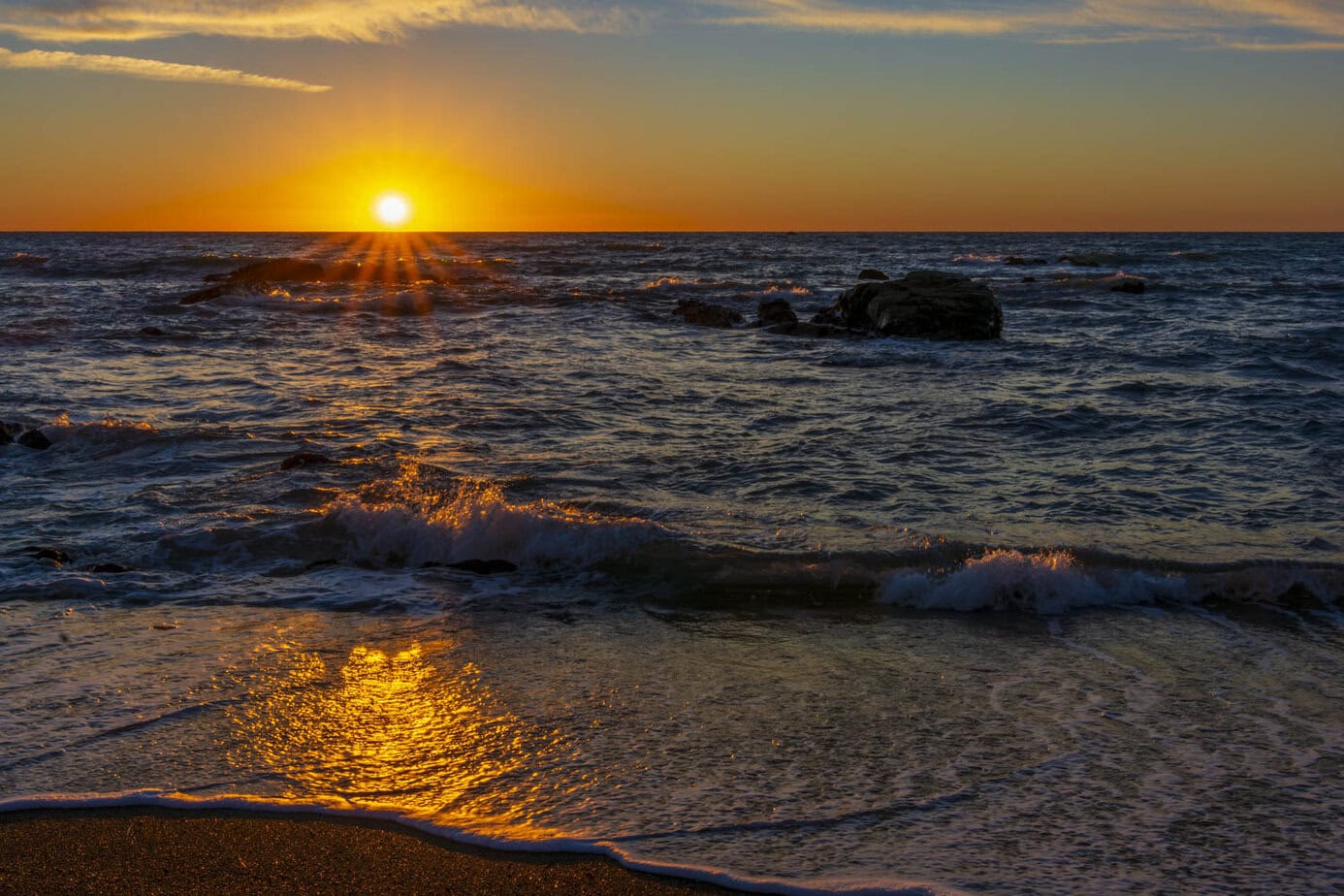
I especially love Cambria in the quieter seasons, when you can walk the boardwalk above Moonstone Beach, browse downtown, linger over dinner, or visit during one of the town’s seasonal events. It’s a place that rewards slowing down rather than trying to check off a long list.
For a deeper look at what to do, where to eat, where to stay, camping, and seasonal events, start with my Cambria Travel Guide.
San Simeon: Wild Coastline & Coastal History
Just north of Cambria, San Simeon feels more open and windswept, with rugged coastline, quiet beaches, and some of the Central Coast’s most recognizable landmarks. It’s where the drive starts to feel noticeably wilder as Highway 1 continues north.
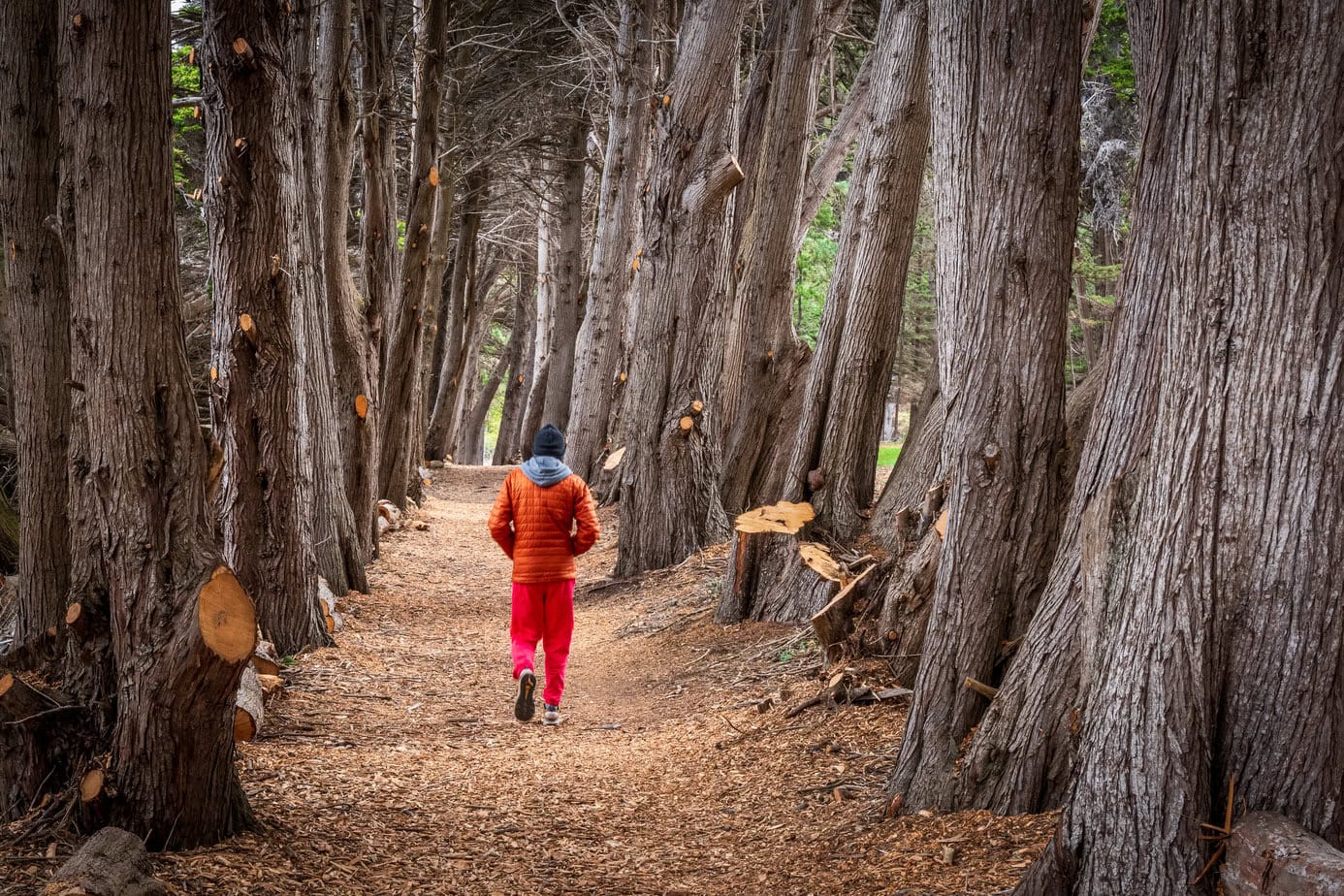
One of my favorite ways to experience this stretch is on the San Simeon Bay Trail, which combines coastal views, open space, and a quieter side of the area away from the main roadside stops.
Big Sur: The Dramatic Finish to the Coastal Drive
Highway 1 Update: A southern section of Highway 1 in Big Sur is currently closed due to wildfire response. Check Caltrans for the latest conditions before planning a through-drive.
Big Sur is where the Central Coast becomes truly dramatic. Highway 1 winds between steep mountains and the Pacific, with cliffs, redwoods, beaches, and viewpoints around nearly every bend. Even after many visits, this stretch still feels like one of California’s most extraordinary drives.

I like Big Sur best when I can slow down rather than rush through it—stopping for short hikes, coastal viewpoints, and time among the redwoods. It makes a natural continuation north from San Simeon and Cambria, but it deserves much more than a quick drive-through if you have the time.
For planning stops, hikes, and the drive itself, start with my Big Sur Travel Guide.
Before driving Highway 1 through Big Sur, always check current road conditions and closures. Wildfires, landslides, storms, and road repairs can temporarily close sections of the highway or change access.
Salinas: A Literary Detour Inland
Salinas sits inland from the coast, so I think of it less as another Highway 1 stop and more as a worthwhile detour—especially if you’re interested in California history and literature.

My connection to Salinas comes through John Steinbeck, whose stories are deeply tied to this part of California. Visiting his hometown and following that history toward Monterey and Cannery Row gave me a completely different way to experience the Central Coast beyond beaches and scenic overlooks.
How Many Days Do You Need on California’s Central Coast?
You can get a taste of the Central Coast in a weekend, but I recommend at least three to five days if you want to explore without constantly packing up and moving on.
- 2 days: Focus on one smaller stretch, such as Pismo Beach + Morro Bay, or Cambria + San Simeon.
- 3 days: Pismo Beach → Montana de Oro → Morro Bay → Cayucos → Cambria.
- 5 days: Pismo Beach → Morro Bay → Cayucos → Cambria → San Simeon → Big Sur.
- 7 days: Slow the route down with extra nights in your favorite towns, spend more time hiking and exploring beaches, and add Salinas/Monterey County or an extra night in Big Sur.
I always prefer spending more time in fewer places here. The Central Coast is better when you leave room for an unexpected beach walk, wildlife sighting, sunset, or roadside stop.
Where to Stay on California’s Central Coast
Where you stay depends on which part of the coast you want to explore and how often you want to change hotels. I usually prefer choosing one or two bases and taking day trips rather than packing up every morning.
- Pismo Beach: Best for a livelier beach-town base, easy beach access, restaurants, and exploring the southern Central Coast.
- Morro Bay: My favorite all-around base for wildlife, kayaking, hiking, Montana de Oro, Cayucos, and the surrounding coast.
- Cambria: A quieter choice with easy access to Moonstone Beach, San Simeon, and the northern SLO County coast.
- Big Sur: Best if Big Sur itself is a major part of your trip and you want time there without driving in and out each day.
For a five-day trip, I’d usually split my stay between Morro Bay or Pismo Beach and Cambria or Big Sur, depending on how far north I plan to travel.
Best Time to Visit the California Central Coast
The Central Coast is a year-round destination, but each season feels a little different.
- Spring: One of my favorite times for hiking, wildflowers, and mild temperatures. The hills are often still green, and coastal trails can be especially beautiful.
- Summer: Expect more visitors and frequent morning fog, especially along the coast. Inland areas can be warmer, while beach towns stay relatively cool.
- Fall: Often brings some of the clearest weather of the year, warm afternoons, and beautiful light for photography. This is one of my favorite seasons for road trips along the coast.
- Winter: Quieter towns, dramatic skies, and fewer crowds. It can be rainy, but between storms you can get crisp views and beautiful sunsets.
If wildlife is a priority, seasonal timing can matter too. Depending on where you are along the coast, you may see migrating whales, monarch butterflies, nesting birds, or sea otters throughout the year.
If I had to choose the best seasons for a Central Coast trip, I’d pick fall and winter. Fall often brings clearer weather and beautiful coastal light, while winter is quieter, less crowded, and can be especially dramatic between storms.
Suggested California Central Coast Itineraries
I don’t think the Central Coast is a place to rush. Even though the towns are close together, each one has a different feel, and some of my favorite moments here have come from leaving enough room for a long beach walk, an unexpected wildlife sighting, or a sunset stop I hadn’t planned.
3 Days: A Relaxed Introduction
Day 1 — Pismo Beach to Morro Bay
Start in Pismo Beach with a walk along the pier and beach, then head north through Shell Beach or Avila Beach if you have time. Spend the afternoon at Montana de Oro before settling into Morro Bay for the evening.
Day 2 — Morro Bay to Cambria
Give yourself the morning in Morro Bay for kayaking, a harbor walk, or a short hike. Then continue north through Cayucos, where I’d stop for lunch and some time around the pier, before ending the day in Cambria.
Day 3 — Cambria and San Simeon
Spend the morning around Moonstone Beach and downtown Cambria, then continue to San Simeon for the coastline, wildlife, or the San Simeon Bay Trail. I’d keep this day flexible rather than trying to squeeze in too much.
5 Days: My Favorite Way to Slow the Trip Down
Day 1 — Pismo Beach
Give Pismo a full day rather than treating it as a quick stop. Walk the beach, spend time around the pier, and explore Shell Beach or Avila Beach nearby.
Day 2 — Montana de Oro and Morro Bay
Spend the morning hiking or exploring the coast at Montana de Oro, then head into Morro Bay for the afternoon and evening.
Day 3 — Morro Bay, Cayucos, and Cambria
Enjoy a slower morning in Morro Bay, stop in Cayucos on the drive north, and finish the day in Cambria.
Day 4 — San Simeon to Big Sur (when Highway 1 is open through this stretch)
Continue north through San Simeon and along Highway 1 toward Big Sur, stopping for viewpoints and short walks along the way. This is a day I would deliberately keep loose because the drive itself is part of the experience.
If there is a closure preventing through travel, access Big Sur from the north and adjust the route using US 101 rather than attempting to drive through the closed section.
Day 5 — Big Sur
Spend the day exploring Big Sur rather than immediately driving onward. Choose a few hikes, beaches, redwood stops, or viewpoints and give yourself time to enjoy them.
Road conditions: Before driving Highway 1 through Big Sur, always check current road conditions and closures. Wildfires, landslides, storms, and road repairs can affect access at any time.
Bonus Day — Hearst Castle & San Simeon
If you have an extra day, spend it in San Simeon. Tour Hearst Castle, then leave time for the coastline afterward—Moonstone Beach, the San Simeon Bay Trail, or simply a slower drive along this stretch of Highway 1.

Hearst Castle can easily take up a good part of the day once you include the tour, parking, and time exploring the visitor center, so I wouldn’t try to combine it with a packed Big Sur day.
If you have more than five days, I’d add extra nights rather than more destinations. A bonus day in San Simeon for Hearst Castle is one of the easiest ways to slow the trip down without feeling rushed.
California Central Coast Travel Tips
- Don’t overpack the itinerary. The towns are close together, but the best part of this region is having time to stop for viewpoints, beaches, wildlife, and unexpected detours.
- Check Highway 1 conditions before driving north. Big Sur access can change because of landslides, storms, wildfires, or road work.
- Bring layers year-round. Coastal mornings can be cool and foggy even when inland temperatures are much warmer.
- Reserve popular stays and campgrounds early. Weekends, holidays, and summer dates can fill quickly.
- Check tides before visiting tide pools. Low tide can completely change what you’re able to explore.
- Keep binoculars handy. Sea otters, whales, pelicans, shorebirds, deer, and other wildlife are part of the Central Coast experience.
- Leave room for sunset. Some of my favorite days here have ended simply because I stopped driving and stayed for the light.
Frequently Asked Questions About the California Central Coast
How many days do you need for California’s Central Coast?
I recommend at least three to five days for a first trip. Three days gives you enough time to explore a few key stops, while five days lets you travel more slowly through places like Pismo Beach, Montana de Oro, Morro Bay, Cayucos, Cambria, San Simeon, and Big Sur.
What are the best places to visit on California’s Central Coast?
For a first trip, I’d prioritize Pismo Beach, Montana de Oro, Morro Bay, Cayucos, Cambria, San Simeon, and Big Sur. Each has a different feel, so I prefer combining several stops rather than spending the entire trip in one place.
What is the best time to visit California’s Central Coast?
My favorite seasons are fall and winter. Fall often brings clearer weather and beautiful coastal light, while winter is quieter, less crowded, and can be especially dramatic between storms. Spring is also a great time for hiking and wildflowers.
Where should you stay on a Central Coast road trip?
For most trips, I recommend choosing one or two bases instead of changing hotels every night. Morro Bay is my favorite all-around base for the middle of the coast, while Pismo Beach works well farther south. Cambria or Big Sur are better if you’re spending more time on the northern stretch.
Is Highway 1 open through Big Sur?
Highway 1 conditions can change throughout the year because of landslides, storms, wildfires, road work, and other closures. Always check current road conditions before driving through Big Sur.
Is Hearst Castle worth visiting?
Yes, especially if you have an extra day. I’d give Hearst Castle and San Simeon their own slower day rather than trying to squeeze the castle into an already packed drive toward Big Sur.
Plan Your Central Coast Getaway
Whether you’re coming for a weekend or taking your time along Highway 1, the Central Coast has a rhythm that rewards slowing down. Start your mornings with a walk along the bluffs, spend afternoons exploring small towns, beaches, shops, and galleries, and end the day watching the light change over the Pacific.
Each visit feels different—sometimes adventurous, sometimes quiet and reflective—but always grounding. Between the scent of eucalyptus, the call of seabirds, and the ocean never far from view, this region captures what I love most about California: wild beauty, small-town character, and a sense of home.