

This post contains affiliate links. If you make a purchase through these links, we may earn a commission at no additional cost to you. Learn more at my affiliate disclosure page.
With Highway 1 fully open again, this is one of the best times in years to experience Big Sur as a complete, uninterrupted drive. I’ve been driving Big Sur since the mid-1990s, long before it became one of California’s most photographed road trips. I now live in Los Osos, just south of Big Sur, and this stretch of Highway 1 has become part of my everyday life. I return for sunrise hikes, quiet weekday lunches, and those drives when I need to slow down and reset.

After years of closures and detours, Highway 1 is finally open again. Two days after it reopened, I was back on the road, experiencing Big Sur as a complete, uninterrupted drive. This guide is built from decades of driving this coast, exploring its trails and beaches, and watching how it changes with the seasons.
How many days do you need to drive Big Sur?
You can technically drive Big Sur in a single day, but one day only scratches the surface. For a more relaxed experience that includes short hikes, beaches, and time to linger at viewpoints, two days is ideal. If you want to camp, explore both the southern and northern sections, or avoid feeling rushed, three days lets Big Sur unfold at its own pace.
How long does it take to drive through Big Sur?
Driving straight through Big Sur without stops takes about two to three hours, depending on traffic. In reality, most travelers spend at least five to seven hours once you factor in scenic pullouts, short walks, meals, and inevitable photo stops. Big Sur isn’t a drive you rush through. It’s one you experience slowly.

If you have a few hours: Focus on the drive itself, stop at one or two coastal viewpoints, and add a short walk like a bluff trail or waterfall.
If you have one full day: Drive the full stretch, choose a mix of viewpoints and one short hike, and build in time for a long meal or beach stop.
If you have one to two nights: Split your time between southern and northern Big Sur, add a campground or lodge stay, and let yourself linger without rushing.
The Big Sur Stops Worth Making Time For
Some highlights you shouldn’t miss include driving Highway 1 in its entirety, stopping at coastal viewpoints like Bixby Creek Bridge and Hurricane Point, and seeing McWay Falls in Julia Pfeiffer Burns State Park. Adding at least one short hike, such as Partington Cove or the Garrapata Bluff Trail, and taking time to simply sit and watch the ocean are just as important as the landmarks themselves.
I’ve mapped all the stops mentioned in this guide so you can easily follow the route and choose what fits your time and travel style.
Interactive Big Sur road trip map with scenic stops, hikes, campgrounds, and lodging.
Why Big Sur Is Different From Anywhere Else in California
Big Sur isn’t a town or a traditional destination. It’s a rugged stretch of coast where mountains drop straight into the Pacific, rewarding anyone willing to slow down and experience it as a journey, not a checklist.

This is not a place to rush through.
Big Sur rewards patience. It asks you to pull over, to hike a little farther, to sit quietly and watch the light change on the water. And now that Highway 1 is fully open again, you can finally experience it as a continuous journey instead of a fragmented one.
Your Southern Gateway to Big Sur: Cambria
If you’re approaching Big Sur from the south, Cambria is an ideal place to stop. It has a relaxed Central Coast feel, with pine-lined streets, coastal walks, and an easy pace that makes it a great place to slow down before the drive. If you have extra time, I’ve put together a full guide to things to do in Cambria that covers everything from coastal walks to local favorites.
Cambria is also a practical choice. Gas is cheaper here than in Big Sur, and dining and lodging are generally more affordable. From casual cafés to standout spots, I break it all down in my guide to Cambria restaurants, making it easy to plan a relaxed start to your Big Sur trip.
The Drive North: Cambria to Big Sur
Leaving Cambria, Highway 1 changes almost immediately. The town fades, traffic thins, and the cliffs rise higher as the road begins to twist along the coast. This is where the drive becomes the experience. Driving Big Sur isn’t about getting from point A to point B, but about staying present and letting the landscape set the pace.
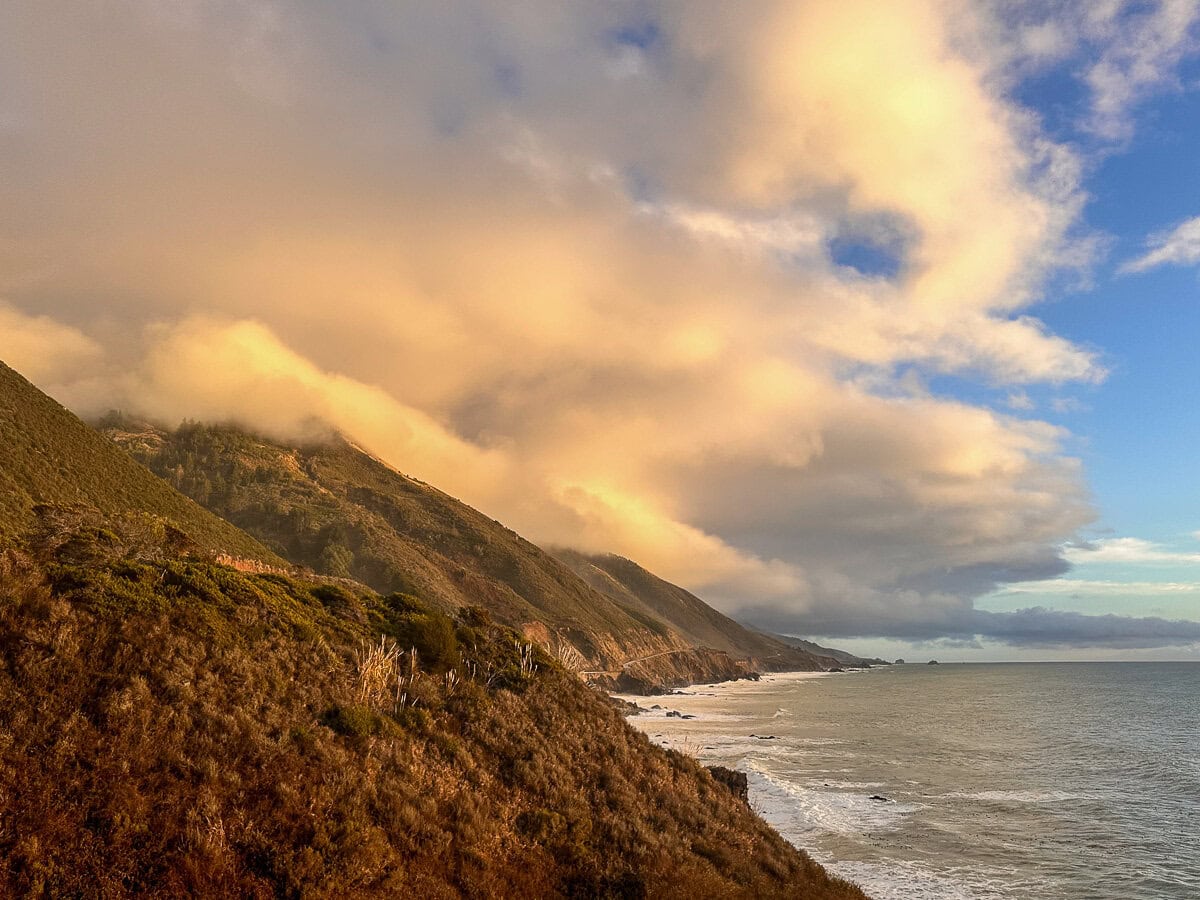
This stretch of coast isn’t meant to be rushed. There are countless pullouts, short trails, and hidden coves along the way, and something new seems to reveal itself every time. Below are some of my favorite early stops as you head north from Cambria. You don’t need to stop at all of them. Big Sur works best when you choose a few that match your pace and let the rest unfold naturally along the drive.
The following stops are listed in order when driving north from Cambria. If you’re coming from Carmel, simply follow them in reverse.
Elephant Seal Vista Point
Just north of Cambria, past San Simeon, this pullout offers a front-row view of elephant seals resting on the beach below. Depending on the season, you might see dozens or hundreds spread across the sand, especially during winter breeding months. This is an easy, quick stop that works well if you’re easing into the drive.

Piedras Blancas Light Station
This historic lighthouse sits on a windswept bluff and has guided ships along this rugged coastline since the 1800s. Even from the roadside, it adds a sense of history to the drive. Reservations are required to visit the light station, and tickets must be purchased in advance.
Ragged Point
Ragged Point is one of my favorite places to stop for a coffee, a bathroom break, and a moment to take in the views. Often called the gateway to Big Sur, it offers one of the first truly expansive coastal overlooks. If you only stop once before officially entering Big Sur, this is a great place to do it.
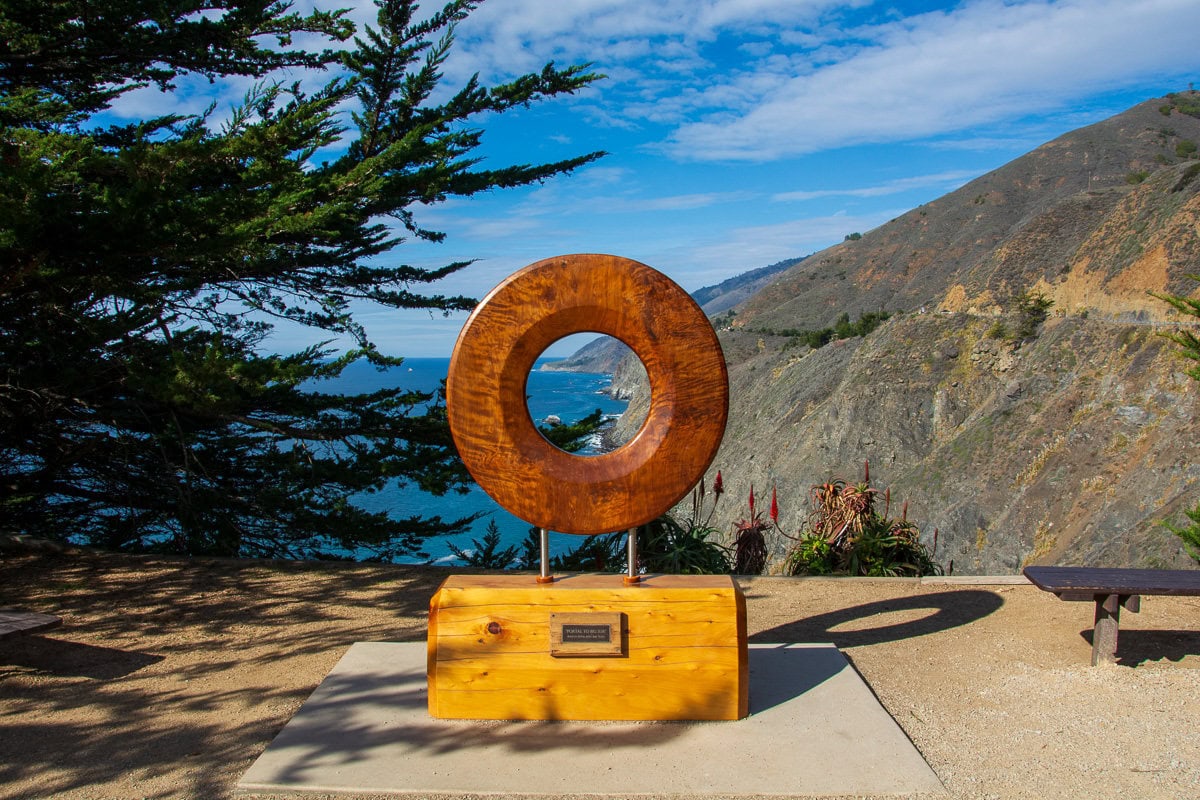
Insider Tip: If you’re up for it, the Cliffside Trail at Ragged Point is a short but steep hike that drops more than 300 feet down to a black sand beach. Give yourself at least an hour, as the hike down and back takes a bit of time.
Salmon Creek Waterfall
A short, easy quarter-mile round-trip walk from the highway leads to this seasonal waterfall tucked into a narrow canyon. It’s an ideal stop after winter rains if you want to stretch your legs without committing much time.
Gorda Springs Resort and Whale Watchers Cafe
This is the last reliable place to get gas for a long stretch, making it an important stop to keep in mind as services become sparse farther north. The small café is casual and convenient if you need a quick bite, even if you don’t plan to linger.

Treebones Resort
Treebones Resort is known for its yurts and off-grid feel perched high above the ocean, but it isn’t a roadside stop and access is limited to registered guests. The restaurant serves everyone for lunch from 12–2 pm and dinner from 5:00–8:30 pm.
Insider Tip: The property is currently closed for maintenance and renovations, with a planned reopening on February 13, 2026.
Willow Creek
A quieter pullout with access to the shoreline and views that feel far removed from the road. It’s an easy place to pause and listen to the waves.
Plaskett Creek Campground
Located directly across from Sand Dollar Beach, this campground is popular for good reason. It’s dog-friendly, well-maintained, and offers easy access to one of the most beautiful beaches in Big Sur.
Sand Dollar Beach
One of the largest sandy beaches in Big Sur, this is a great place to walk, picnic, or simply watch the waves roll in. Staying overnight nearby lets you experience it early or late in the day when it’s quieter.

Pacific Valley Bluff Trailhead
This short, easy walk leads to dramatic cliffside views with very little effort. It’s rarely crowded and offers some of the biggest views along the drive, making it well worth the stop if you want a high reward with minimal time commitment.
Mill Creek Picnic Area
This small area offers restrooms, picnic tables, and access to a secluded beach where a creek meets the ocean. It’s a peaceful place to take a break from driving.
Kirk Creek Campground
One of my favorite campgrounds in Big Sur. Sites sit on a bluff overlooking the ocean, and when you’re lucky enough to get a spot, it’s hard to beat the experience.

If you’re looking for the best things to do in Big Sur, this stretch of Highway 1 alone delivers an unforgettable mix of viewpoints, beaches, short hikes, and iconic stops that define Big Sur, California.
Limekiln State Park
Known for its redwood trails and historic lime kilns, this park offers a quieter alternative to some of the more crowded stops farther north.
Lucia Lodge
Perched high above the cliffs, this historic lodge offers sweeping views and a sense of old Big Sur. Even a brief stop to take in the scenery feels special.
Esalen Institute
Esalen is a holistic retreat and nonprofit educational institute that has played a major role in Big Sur’s cultural history since its founding in 1962. Known as a center of the human potential movement, it offers workshops, learning experiences, and limited visitor access with advance reservations.
Iconic Big Sur Stops You Shouldn’t Miss
This part of Big Sur tends to be busier, especially late morning through afternoon, so it helps to be selective and plan your stops around when you want to slow down and when you want to keep moving.
McWay Falls: Big Sur’s Most Famous Waterfall
Insider Tip: The McWay Falls Overlook Trail is closed due to a long-term retaining wall project expected to continue into 2026. The only public viewing area is currently a small pullout along Highway 1. The Ewoldsen Trail remains open. Conditions and access can change, so it’s best to check before visiting.
McWay Falls drops roughly 80 feet from a granite cliff onto a small beach below and is one of Big Sur’s most recognizable sights. With viewing currently limited to roadside pullouts, this is a quick but memorable stop that’s easy to fit in without a long time commitment.
Julia Pfeiffer Burns State Park Vista Point
This is a must-stop pullout with sweeping coastal views. During January and February, it’s also a great place to watch for migrating whales offshore on clear days.

Partington Cove Trail
Partington Cove Trail is a short but steep, shaded hike that passes through a hand-carved tunnel before opening up to a rocky cove along the coast. The cove isn’t visible from the road, and while the climb back up is a workout, the payoff makes it one of the most rewarding short hikes in Big Sur.

Henry Miller Memorial Library
One of my favorite bookstores of all time. Henry Miller Memorial Library is part bookstore, part gathering space, part redwood sanctuary. Even a short visit adds depth to your understanding of Big Sur’s creative history.

Nepenthe
Nepenthe sits high above the cliffs and is known as much for the views as the food. Parking can be challenging and wait times are long, especially on weekends, but even a drink here is worth the stop if you time it right.

Pfeiffer Beach
Hidden down Sycamore Canyon Road (a narrow, winding drive), this beach is known for its purple sand and dramatic rock formations. Parking is limited, but the payoff is worth the effort.

Big Sur River Inn Sunken Chairs
Adirondack chairs placed directly in the shallow river create a uniquely relaxing stop. Grab a drink from the inn and spend some time sitting in the water beneath the redwoods.

Point Sur Lighthouse
Standing alone on a volcanic rock outcrop, this lighthouse is one of the most isolated along the California coast and adds a dramatic visual to the drive. Reservations recommended.

Hurricane Point Vista Point
A popular pullout with wide views of the coastline and the Bixby Creek Bridge below, especially striking at sunrise.

Bixby Creek Bridge
One of the most photographed landmarks in Big Sur, this concrete arch bridge spans a deep canyon with the Pacific stretching beyond it. Pullouts can be busy, so patience and caution are important.

Calla Lily Valley
Seasonal and best visited in late winter or early spring, this short trail is known for blooming calla lilies after rains.

Whale Peak – Soberanes Point
Whale Peak at Soberanes Point is a rugged coastal high point that offers sweeping views of the Pacific and the dramatic cliffs below. It’s a great spot to pause and take in the scale of Big Sur, especially on clear days when you can watch waves crash far beneath you and, if you’re lucky, spot whales offshore.

Garrapata Bluff Trail
This coastal stretch offers multiple access points and wide open views, making it one of the best places for an easy walk with dramatic scenery.

Where to Stay in Big Sur
Deciding where to stay in Big Sur is a big part of planning your trip. Lodging here ranges from ultra-luxury retreats to classic lodges, rustic cabins, and campgrounds, and where you stay will shape how you experience the coast. Availability is limited, so choosing intentionally helps set the pace for your visit.
Luxury & Once-in-a-Lifetime Stays
Post Ranch Inn
This is Big Sur at its most refined, with cliffside architecture, infinity pools, and a strong emphasis on privacy and immersion in the landscape. It’s expensive, but unforgettable.
Alila Ventana Big Sur
An adults-only retreat set among redwoods with a relaxed, wellness-focused atmosphere. It’s luxurious without feeling formal and is designed for slowing down completely.

Mid-Range & Classic Big Sur Lodging
Big Sur Lodge
Located inside Pfeiffer Big Sur State Park, this is one of the most practical places to stay. Rooms are simple and comfortable, surrounded by redwoods, with immediate access to hiking trails.
Big Sur River Inn
A classic roadside inn along the Big Sur River, best known for its laid-back vibe and sunken river chairs. It’s a convenient central option if you want comfort without going fully luxury.
Glen Oaks Big Sur
A thoughtfully designed property that blends modern comfort with a strong sense of place. Cabins and rooms are tucked into the redwoods, offering a quiet, nature-forward stay close to both river and coast.

Rustic, Cabins & Off-Grid Stays
Treebones Resort
Known for its yurts and off-grid feel perched high above the ocean, Treebones offers one of the most unique stays in Big Sur. It’s not a roadside stop, but for travelers looking for something memorable and remote, it’s a standout option.
Ripplewood Resort
One of the more affordable places to stay in Big Sur, offering simple cabins and motel-style rooms. It’s a solid choice if you want to stay in the area without the high-end price tag.
Campgrounds & Cabins
Big Sur Campground and Cabins
Located along the Big Sur River, this is a popular option for travelers who want a mix of camping and cabin-style lodging with easy access to Highway 1. It’s well-suited for families and longer stays, and reservations are recommended well in advance.
Fernwood Resort and Campground
Fernwood offers a range of options from campsites and cabins to motel-style rooms, making it one of the more flexible places to stay in Big Sur. Set among redwoods with an on-site café and bar, it’s a convenient choice if you want a casual, social atmosphere close to Highway 1.
If Big Sur lodging feels limited or prices are high, staying in Cambria or Morro Bay and day-tripping north is a smart alternative that still lets you experience the highlights without feeling rushed.
Practical Tips for Visiting Big Sur
The best time to visit Big Sur depends on what you’re looking for: spring and fall offer clearer skies and fewer crowds, summer brings foggy mornings and busy afternoons, and winter delivers dramatic scenery with the chance of storms.
- Fill up on gas before entering Big Sur
- Download maps for offline use
- Expect limited cell service
- Start early to avoid traffic
- Pack layers—the weather changes quickly
Final Thoughts: Big Sur Is Worth the Effort
Big Sur doesn’t bend to convenience. The road closes sometimes. Fog rolls in. Plans change.
But when Highway 1 is open and you give yourself the time this place deserves, Big Sur delivers something rare: perspective.
Whether you’re linking Cambria, Morro Bay, and Big Sur into one long coastal journey or focusing solely on this wild stretch of coast, the reward is the same. You slow down. You breathe deeper. You remember why the road trip still matters.
And that’s something no closure can take away.